The Importance Of Maintaining A Home Inventory Checklist

While most of us hope to never experience a catastrophic home loss, it is crucial to be prepared in the event that such a disaster strikes, whether it be a flood, fire, earthquake, or any other unforeseen calamity.


Creating a comprehensive home inventory may seem like a daunting task, but dedicating the time to do so can make a significant difference in the aftermath of a claim, potentially saving you thousands of dollars and streamlining the claims process.

Our homes and the belongings within them often hold deep symbolic and sentimental value. Our personal items reflect our memories, individual style, and sometimes even serve as valuable investments, such as artworks. When you consider the cumulative worth of all your possessions, the value can easily reach tens of thousands of dollars or more.

Disaster-related home insurance claims, whether due to fire or flood, can be overwhelming and traumatic. This is where a home inventory checklist becomes invaluable.

It helps you quickly recall the items you owned. Would you be able to remember the exact number and brand of jeans you had? What about the number and brand of shoes? And when it comes to your valuable artwork, could you recall the artist’s name and the price you paid for each piece?

Maintaining a home inventory can prove beneficial in case of theft or damage to the contents of your home. Keep track of your items using an easy-to-use chart, and consider attaching photographs for documentation. This way, you can swiftly provide your insurance agent with the necessary information to expedite the claims process.

Another effective method is to create a thorough video or series of videos documenting your belongings. Be sure to store your home inventory checklist in a secure location, such as the cloud, for easy access and protection.

The good news is that your insurance agent likely provided you with sufficient coverage for your personal property. However, if you feel the need for additional coverage, be sure to discuss this with your agent. Home, renters, and condo insurance policies typically include standard coverage for personal property.

Taking the time to create a detailed home inventory checklist is a proactive step that can bring you peace of mind and protect your financial interests. Remember, it is better to be prepared and never have to use the inventory than to face a loss and struggle to recall the details of your belongings.

Protect your investments, streamline the claims process, and ensure you receive the full compensation you deserve by maintaining an up-to-date home inventory checklist.

Insurance Policies For The Unique And Obscure

Insurance can offer more than just the standard coverage we’re familiar with. It extends to diverse and sometimes unusual situations, providing financial protection for a range of valuable assets. When it comes to celebrities, who rely on their talents for a living, they often go the extra mile to safeguard their unique qualities. Let’s explore some intriguing cases where celebrities insured their prized possessions for astonishing amounts, reaching even up to one billion dollars!
The Voice:

Renowned singers have been known to insure their voices, recognizing that their vocal abilities are their primary source of income. By insuring their voices, they ensure they can continue making a living even if something were to happen to their vocal cords.

Body Parts:

Models, in particular, have taken insurance policies for various body parts that contribute to their success. From insuring their legs and hands to their teeth and hair, models recognize the importance of safeguarding these assets that are crucial for their career and financial future.

Unique Rewards:

Insurance policies have been taken out by diverse entities, ranging from car dealerships seeking coverage for promotions that could go awry to individuals offering rewards for anyone providing evidence of the existence of mythical creatures like the Loch Ness monster. These policies mitigate the risks associated with such ventures.

Alien Abduction:

Believe it or not, some individuals have taken out insurance policies in the event of being abducted by aliens. While this may seem far-fetched, it highlights the extent to which insurance can cover unexpected and unconventional circumstances.

Whiskers:

For those blessed with extraordinary beards, insuring their impeccable whiskers may seem like an unusual choice. However, considering the time it takes for beards to grow and the uniqueness they bring to the individual, it’s a practical way to protect their signature feature.

Lottery Wins:

Employers have been known to take out insurance policies to mitigate the risk of multiple employees winning the lottery and leaving their positions simultaneously. These policies provide temporary coverage to sustain the business until suitable replacements can be found.

While these examples capture the eccentricities of insurance, it’s important to note that insurance also covers more conventional needs. If you’re in the market for standard insurance coverage, there are numerous options available to protect your home, vehicle, health, and other essential aspects of life.

Insurance may seem complex, but it serves as a safety net, providing peace of mind and financial security in a variety of circumstances. Whether you’re a celebrity protecting your unique talents or an individual seeking comprehensive coverage for everyday needs, insurance offers a diverse range of solutions to meet your requirements.

If you’re interested in exploring insurance options tailored to your specific needs, consider consulting with an insurance professional who can guide you through the process and help you make informed decisions. Remember, insurance is there to protect what matters most, ensuring a stable and secure future.

Safeguarding Your Home Against Wildfires

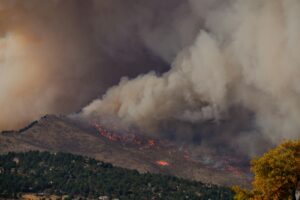
Wildfires pose a recurring threat every year, especially during the summer season. Millions of acres across the country are engulfed in flames, caused by both natural and human factors. While nature-induced fires are beyond our control, we can significantly reduce human-caused fires through education and preventive measures. By following these simple steps, you can minimize the risk and protect your home from wildfires.

Minimize Spark Risks:

Equipment and toys like lawn mowers, weed-eaters, chain saws, welders, tractors, and dirt bikes can all generate sparks that ignite fires. Avoid mowing dry grass or weeds and ensure your yard remains free from dry debris buildup. If you’re operating a tractor, dirt bike, or welder, steer clear of dry grass or brush areas to prevent accidental sparks.

Opt for Fire-Resistant Materials:

When constructing or renovating your home, choose fire-resistant building materials. The roof and exterior surfaces should be composed of non-combustible or fire-resistant materials such as brick, stone, aluminum, tile, sheet iron, asphalt, or slate. If your home currently features wood or cedar, consider the increased risk and explore options to minimize it. In fire-prone areas, constructing homes entirely from concrete and stone can offer enhanced protection against wildfires.

Maintain Your Roof:

A roof covered with leaves, pine needles, branches, or moss becomes highly vulnerable to wildfire damage. Regularly clear your roof to prevent debris accumulation, reducing the risk of ignition during a fire incident.

Clear Dead Plants and Trees:

Ensure that tree branches are trimmed to a height of at least 15 feet. Also, verify that there are no branches in close proximity to your chimney. Remove any branches within 10 feet of the flue opening to prevent sparks from igniting nearby vegetation. Additionally, keep sheds and wood piles at least 30 feet away from your home to minimize the risk of fire spreading from one structure to another.

Understand Your Insurance Coverage:

It’s crucial to familiarize yourself with the limits of your insurance policies, as coverage for natural disasters like floods or earthquakes often requires separate policies. In most cases, wildfires are covered under the comprehensive portion of a homeowner’s insurance policy. However, living in a fire-prone area or being far from a fire station may affect policy pricing. Consult your insurance provider to ensure you have adequate coverage tailored to your specific needs.

By implementing these measures, you can fortify your home’s defenses against wildfires. Remember, prevention and preparedness are key to safeguarding your property and ensuring the safety of your loved ones. Stay informed, stay vigilant, and prioritize wildfire protection to mitigate potential losses.

Save money on your auto insurance with these discounts.

Save Money On Auto InsuranceOver the years, we’ve all seen auto insurance commercials highlighting the various discounts available in the insurance industry.

While many are familiar with the standard discounts like multi-policy and multi-vehicle, there are additional lesser-known discounts that drivers may be unaware of. To help you potentially save money on your auto insurance, we’ve compiled a list of some of these additional discounts offered by various insurance companies.

Remember to consult your local insurance agent to determine which discounts apply specifically to your situation, as they can vary by state.

Here are some possible auto insurance discounts worth exploring:

  • Multi-Policy: Bundling multiple policies such as auto insurance, home insurance, and boat insurance with the same carrier can lead to savings.
  • Good or Distant Student: If your student maintains good grades (as specified by the insurer), they may be eligible for a good student discount. Providing the insurer with a transcript usually serves as proof. Moreover, if your student attends college far away from home (typically over 500 miles, but this can vary), you may qualify for a discount on the vehicle since it is driven less frequently.
  • Education Level: Drivers holding advanced degrees, such as a bachelor’s degree, may qualify for a discount, similar to the good student discount.
  • Defensive Driver: Completing a carrier-approved defensive driving course could earn you a discount on your auto insurance policy. However, be aware that this type of discount may be limited to certain age groups, so check with your insurance agent.
  • Multi-Vehicle: Insuring multiple vehicles with the same carrier may result in a small discount.
  • Green Vehicle: If you drive an electric or hybrid vehicle, you may be eligible for a discount. Consult your agent to determine if your vehicle qualifies.
  • Anti-Theft: Vehicles equipped with anti-theft systems are statistically less likely to be stolen, making them a lower risk. As a result, you may be entitled to a small discount if your vehicle meets the criteria.
  • Anti-Lock Brakes: Most new vehicles come standard with anti-lock brakes. Inquire with your insurance agent to see if your carrier offers a discount for vehicles equipped with this safety feature.
  • Safe Driver (Accident-Free): Many major insurance carriers reward safe driving by offering discounts to drivers who have been accident-free for a certain number of years. The specific criteria can vary between insurance carriers. Some carriers send you a check throughout the year if you are accident-free.
  • Military: Active and veteran military members often qualify for discounted auto insurance. Verify with your insurance agent to determine if you are eligible.
  • Early Quote/Signing: If you’re considering changing insurance carriers or upgrading your auto insurance, obtaining a quote (and signing up) before your current policy expires may entitle you to a discount. Be sure to check with your agent, as you may need to obtain a quote within a specific timeframe before your policy expiration date.
  • Paid-in-Full: Opting to pay your auto insurance policy in full can result in a cost reduction compared to monthly payments. The discount will be reflected in the price presented to you.
  • Paperless: If you prefer electronic statements over paper statements, you may be eligible for a discount. Most major insurance carriers offer discounts to customers who choose automatic billing and receive emails instead of paper statements.
  • Loyalty: Remaining with your insurance carrier for three or more years may earn you a discount at each loyalty milestone. These rewards often extend beyond policy cost reductions and can even include accident forgiveness.

In summary, familiarizing yourself with the various auto insurance discounts available can help you save money.

Keep in mind that discounts can differ between insurers and states, so consulting your local insurance agent is crucial for determining which ones apply to you.

If you’d like to save on your auto insurance, call our independent insurance agency. We represent multiple top-rated insurance companies and can find you the coverage and pricing that suits your situation best.

Tips For Enjoying Fireworks For This Upcoming Independence Day

Independence Day is a couple of weeks away, and it is a time for gathering with loved ones, enjoying delicious barbecues, and, for some, lighting up the night sky with fireworks. While fireworks can be thrilling and add an extra sparkle to the celebrations, it’s crucial to remember that they also come with potential risks and hazards. To ensure a safe and enjoyable experience, here are six simple safety tips to keep in mind when handling fireworks:

Exercise Caution with Partially Ignited Fireworks: If a firework fails to ignite fully, resist the urge to relight it or pick it up. Instead, leave it undisturbed for at least 20 minutes. Afterward, douse it with water and carefully dispose of it. This precautionary measure reduces the risk of unexpected explosions or injuries.

Avoid Fireworks Packaged in Brown Paper: Fireworks packaged in brown paper are typically intended for professional displays, not consumer use. Purchasing such fireworks can be dangerous, as they may have been designed for trained pyrotechnicians and pose higher risks to individuals handling them. Stick to consumer-grade fireworks that comply with safety standards.

Supervise Children Around Fireworks: Never leave children unattended with fireworks, including seemingly harmless sparklers. While sparklers are popular among kids, they burn at extremely high temperatures and can cause severe burns. Some sparklers can reach temperatures as hot as blow torches. Always supervise children closely and provide alternative, safer options for their participation in the festivities.

Familiarize Yourself with Local Laws: Before purchasing or lighting fireworks, make sure to familiarize yourself with the local regulations and laws governing their use. Fireworks may be prohibited or restricted in certain areas due to safety concerns or fire hazards. Ignoring these restrictions not only puts yourself at risk but also makes you liable for any injuries or damages that may occur.

Dispose of Used Fireworks Properly: After using fireworks, it’s essential to dispose of them safely to prevent accidental fires. Before throwing them away, soak the used fireworks in water for an extended period. This precaution ensures that they are fully extinguished and eliminates the risk of a trash fire.

Mind Surrounding Vegetation: When selecting a location to ignite fireworks, be mindful of dry brush and tall grasses nearby. These vegetation types can ignite quickly and spread fires rapidly. Choose an area that is clear of any potential fuel sources to minimize the risk of unintended fires.

While we all enjoy celebrating the Fourth of July, it is crucial to prioritize safety during the festivities. By following these simple safety tips, you can ensure that your Independence Day celebrations are memorable for all the right reasons. Let’s make this holiday a time of joy, togetherness, and above all, safety.