
Updating your insurance policy as your life changes

Wouldn’t it be wonderful if we could purchase a single insurance policy that covers us for a lifetime? While that may be wishful thinking, the reality is that as life evolves, so should your insurance policy. The great advantage of having a local independent insurance agent is that they work with multiple insurance companies, ensuring they can find the right fit for your present and future needs. When reviewing your current insurance, consider the following:
Have you recently gotten married?

Getting married brings about significant changes that should be reflected in your insurance coverage. Explore marriage discounts, multi-car discounts, combined insurance policies, jewelry endorsements, life insurance, and coverage for your new home. Ensure that your new life together is adequately insured.

Have you completed a major remodel?

Renovations, such as a new kitchen or additions like bay windows, granite countertops, or hardwood floors, not only enhance your home’s value but also necessitate adjustments to your insurance coverage. Review these changes with your agent to ensure your policy provides sufficient coverage for all your home improvements.

Are you considering purchasing a new car?

If you’re thinking about buying a new car, consult your independent agent to determine the impact it will have on your insurance premiums. Consider the potential increase in premiums when assessing the overall cost of the vehicle.

Do you have a teenage driver or one on the horizon?

Adding a teen driver to your policy can significantly impact your premiums. It’s crucial to inform your agent about any teen drivers in your household to comply with insurance company requirements. Failing to add them to the policy promptly can lead to issues, including claim denials. Discuss teen driver coverage options with your agent.

Have you acquired a new exterior building for your home?

While some insurance policies automatically provide coverage for exterior buildings (typically up to 10% of your home’s value), this may not always be the case. If you’ve installed or built a detached garage or any other structure, ensure that you have adequate coverage in the event of damage or loss.

Have you installed a burglar alarm to protect your home?

Periodically reviewing your existing discounts and exploring new ones is a wise practice. Burglar alarms, reduced mileage, multi-policy discounts, and more can help lower your premiums. Your agent can help identify available discounts. Think of them as discount detectives. During your next conversation, ask your agent to review the available discounts so you can take advantage of them.

Understanding insurance can be challenging, but with an independent insurance agent, you have the advantage of our expertise. We can review your policy with you at any time and explore options from multiple companies to find the best coverage for your evolving needs.

Preventing Water Damage in Your Home

Water damage is a common issue that homeowners may face at some point. It not only leads to inconvenience and disruption but can also result in costly insurance claims. Being aware of the signs and taking preventive measures can help you avoid these expenses.
Here are some areas to check and precautions to take:

Water Valves:

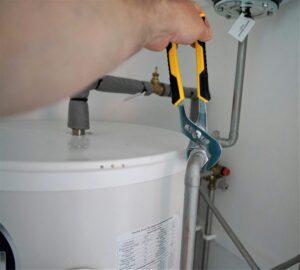
Inspect the valves that connect your faucets, toilets, and washing machines for any leaks or signs of previous leaks. Look for efflorescence, which appears as a white, green, or yellow buildup on pipes or fittings. This mineral residue is deposited when water dries.

If you suspect a valve is failing or the connection is corroded, consider replacing it. A plumber can assist you with this task, or you can do it yourself if it’s a screw-on valve, not soldered to the pipe. The cost of replacing a valve is generally under $5.00.

Drain Failure:

Periodically check your crawl space for exposed drain pipes, as well as other ducting and water pipes. Drain pipes are usually large black pipes without insulation. Inspect the vapor barrier in your crawl space for stains, which may indicate leaks from drain pipes. Resealing the drain can often resolve the issue and prevent further damage.

Broken Pipes:

Broken pipes are often caused by exposure to freezing temperatures. Pipes inside walls can freeze if a home’s heating system fails during cold weather, if the house is vacant, or if the home is not insulated enough.

To protect your home from frozen pipes, ensure that the heat is on and insulate exposed water pipes. If you plan to leave your home vacant for an extended period, it’s advisable to turn off the water supply to prevent potential flooding in case of a burst pipe.

Washing Machine Hoses:

Regularly inspect the hoses connected to your washing machine for bulges, cracks, or signs of wear. These hoses endure significant water pressure and can fail over time. Consider replacing them with braided stainless steel water supply hoses, which have a longer lifespan and can help prevent costly water damage claims. Similarly, check the hose of your dishwasher, as it is susceptible to similar issues. Most dishwashers can be easily removed with two screws for hose replacement.

By following these safety tips and conducting regular inspections, you can significantly reduce the risk of water damage in your home. Avoiding water-related incidents not only saves you from financial loss but also spares you the inconvenience of being displaced from your home during repairs. Remember, prevention is key in maintaining a safe and secure living environment.

Essential Areas To Examine When Buying A Used Camper Or Trailer

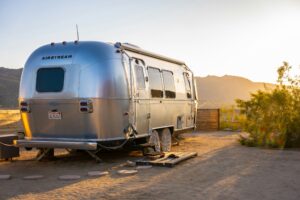
As the spring season arrives, it’s an opportune time to begin searching for a reliable used camper. Whether you’re exploring options at a dealership or considering a purchase from an individual seller on platforms like Craigslist, it’s crucial to know what to look for in terms of potential damage or wear. By paying attention to the following trouble areas, you can save yourself from costly repairs and ensure a satisfactory camper-buying experience.

Delamination

RVs are typically constructed with laminated plywood and bonded with adhesive. Over time, this adhesive can deteriorate, leading to delamination of the RV’s side. Unfortunately, delamination is a challenging issue to fix inexpensively. Common causes include moisture, heat, or simply aging.

To identify delamination, examine the side of the RV. Look for any changes in the surface, resembling a large bubble. Press your hand against it. Does it flex or feel like there is space between the exterior fiberglass shell and the interior plywood?

Tires

Inspecting the tires is a straightforward task. Look for small cracks between the treads. As RVs sit unused, flat spots and weather cracks can develop on the tires. While these cracks are mostly cosmetic, they can gradually degrade the tire’s integrity. If the tires show signs of wear or cracking, factor this into the overall cost of purchasing the RV.

Rodent Damage

Rodents have a knack for infiltrating various spaces, and your RV or trailer is no exception. In fact, these vehicles provide ideal homes for rodents since they often remain undisturbed for extended periods. When searching for signs of rodents, check beneath seat cushions and inspect storage compartments. Look for droppings, as mice and rats tend to leave them everywhere. Rodent infestation poses both health hazards and potential damage to your RV’s interior.

Water Damage

RVs are highly susceptible to water damage, as many manufacturers in the US may not build them with optimal quality. Water damage is usually easy to detect through smell or visual cues. A musty odor or dampness inside the RV serves as a significant indicator. Look for mineral stains or watermarks on wood surfaces, particularly around skylights and air conditioners on the roof.

Additionally, walk around the RV or trailer and apply pressure to all sides. Water infiltration can quickly lead to structural rot in the RV’s framework. Pushing on the sides can help identify compromised areas. Pay close attention to windows and the roof.

Appliances

Replacing RV appliances can be incredibly expensive due to their compact size and specialized nature. When considering a used RV, request the owner or dealer to start up the refrigerator before your arrival, allowing you to feel its cooling effect. RV refrigerators can run on electricity, battery, or propane. They typically take around two hours to cool down, so ensure it’s turned on in advance.

Additionally, while inspecting the camper, test the functionality of water heaters and any other systems that are important to you.

Canvas

If your trailer or RV features canvas components, closely examine them for signs of mold or staining. Additionally, if any windows are made of plastic, check the zippers and windows for cracks. Replacing the canvas top of a pop-up camper can cost upwards of $3,000, so it’s crucial to assess its condition.

Flooring

The floor of an RV, camper, or trailer is prone to damage. Older RVs often had simple plywood floors without adequate protection. Furthermore, protected floors could trap water that seeped in from above, leading to rot. When inspecting a trailer for a rotted floor, get down on your hands and knees and apply pressure throughout the floor, searching for flex or sponginess. If you have a hard tool and can get underneath the camper, push the tool up into the exposed wood floor to check for areas of rot.

Once you purchase a Camper or Trailer that satisfies these needs, feel free to contact our agency so that we can provide you with a free quote for RV insurance.

Tips to Extend the Lifespan of Your Car

Tips to Extend the Lifespan of Your CarWhen you purchase a car, it represents a significant investment. Some individuals keep their vehicles for more than a decade, while others opt for a trade-in after just a few years. Regardless of your timeframe, taking pride in your car and ensuring proper maintenance is essential to maximize its longevity. Here are five valuable tips to help you maintain your vehicle effectively.

Regular Car Washes

Keeping your car clean not only enhances its appearance but also preserves its value. Contaminants such as dust, pollen, tree sap, bugs, bird droppings, and salt can damage your paint and finish. Additionally, heat, rain, and air pollution can negatively impact your vehicle’s longevity.

Wash your car immediately if it accumulates splattered bugs, bird droppings, or tree sap. If you have a long weekly commute or your car is exposed to dirt, pollen, gravel, or air pollutants, consider washing it weekly. Otherwise, washing your car 1-2 times a month should suffice, especially if you live in mild weather conditions or keep your car in a closed garage.

Maintain Adequate Fuel Levels

Ensure your gas tank is not allowed to run too low. Running your car with a nearly empty tank can cause the fuel pump to work harder and generate excess heat due to air being sucked in. This could lead to premature wear or failure of the fuel pump motor. Don’t solely rely on your car’s mileage estimate; fill up your tank when it reaches around one-quarter full.

Regularly Replace the Air Filter

Replace your car’s air filter annually or every 20,000 miles. This inexpensive maintenance task offers benefits such as improved fuel efficiency, reduced emissions, and prolonged engine life.

Monitor Fluid Levels

Fluids play a critical role in your engine’s performance and overall car health. While some fluid checks are best left to professionals, there are a few you can perform yourself on a monthly basis. Check your windshield wiper fluid level and top it up if it falls below the recommended line. Additionally, regularly check your oil level using the dipstick. If it’s below the designated line, add more oil as needed.

Replace the Fuel Filter

The fuel filter prevents particles, debris, and impurities from reaching your engine, ensuring only clean gasoline flows through. Over time, the filter can become clogged, so it’s essential to replace it according to your vehicle manufacturer’s recommendations.

Consult your owner’s manual for the recommended timeline, or seek assistance from an expert if you’re not familiar with the process.

While we can’t assist with maintaining your vehicle, we can help you find excellent rates on your auto insurance. Contact us for a new insurance quote or an auto insurance review.

A Comprehensive Checklist For Your Home Garden

As spring arrives, the gardening enthusiasts among us eagerly anticipate the joys of tending to our gardens. Not only does cultivating your own garden save money on groceries, but it also provides the satisfaction of nurturing and growing your own food. It’s even more enjoyable when you can involve your children and impart some of your favorite gardening tricks to them.

Whether you’re a seasoned pro or a gardening beginner, the following tips will help ensure your gardening endeavors are successful.

Choose Your Favorites:

Begin by deciding what you want to plant. If you’re new to gardening, start small with potted herbs and vegetables. This allows you to manage and care for your plants easily.

Find the Perfect Spot:

If you plan to have a vegetable garden, select a location that receives at least six hours of sunlight daily. Consider the mature size of the plants and position taller ones on the north or west side, preventing them from shading other plants. Additionally, keep your water spigot in mind, placing the garden near it to avoid dragging hoses across your yard.

Proper Spacing:

Allow sufficient space between each crop. When planting vegetables in rows, maintain a distance of at least 18 inches between them. Proper spacing ensures healthy growth and minimizes competition for resources.

Nourish the Soil:

Start by testing your soil. After thoroughly watering it, observe its condition the following day. Take a handful of soil and check its consistency. If water streams out, add two to three inches of organic matter, such as manure, compost, decayed leaves, or dry grass clippings. If the soil is too dry and does not form a ball when squeezed, add organic matter. The ideal soil should form a ball when squeezed and break apart slightly when dropped.

Water Adequately:

Most vegetable plants require approximately one inch of water per week. Watering in the morning allows the soil to retain moisture effectively. When watering, do so slowly to ensure the roots absorb the moisture and the soil remains hydrated.

Mulch for Protection:

Mulching your garden serves multiple purposes. It insulates the soil, retains moisture, reduces weed growth, and protects plants from diseases. Apply a layer of about two to three inches of organic mulch around your plants to enjoy these benefits.

Optimal Fertilization:

Maintain soil fertility by incorporating organic compost, making up around 20% of the soil composition. This natural fertilizer ensures healthy plant growth. Avoid excessive fertilizer usage, as it may hinder the desired results and decrease your overall harvest.

While we can’t personally tend to your garden, we can assist you with your insurance needs. If you have any questions regarding your home, auto, or business insurance, don’t hesitate to reach out to our agency. We’re here to help you cultivate a flourishing garden and provide peace of mind in all aspects of your life.