Three Things to Consider for Halloween This Year

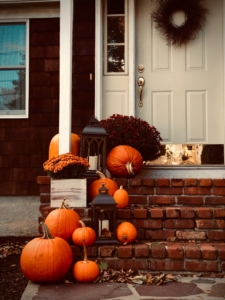
Things to consider for this halloween in St. Louis, MissouriHalloween is a great holiday in many ways. Whether it is dressing up, decorating your home, watching a scary movie or simply enjoying some fun size candy, Halloween brings joy to all ages. Here are a few things to consider making the most out of your holiday.
  1. Be aware of tripping hazards around your home

If your plan is to stay home and pass out candy, it is important you prep your home first. Whenever strangers step foot onto your property, you do have a liability risk. To lower your liability risk, be sure to check your driveway or stairway for tripping hazards. This can include hoses, extension cords, debris, loose decking boards, decorations or outdoor toys.

If someone were to trip or fall on your property, there could be a chance you are liable. Walk your property to make sure you do not have anything someone could trip on. If you live in a cold environment, you should also evaluate if there are any areas that are slick that someone could slip. While most people think of icy stairs, wet leaves and algae growth can also be something to think about.

Lastly, if you own a dog, have a plan. Some dogs do not like having strangers walk up to the door or may be disturbed when the doorbell rings. If your dog falls in this category, make a plan for what you can do to keep your dog calm. The last thing you want is to have your dog bite someone, as you could be liable.

  1. Have a plan if trick or treating

Whether you are going trick or treating with your child or if your teenager wants to go trick or treating with friends make sure you have a plan for the night. What neighborhood provides good sidewalks? What are safety tips you can share with your teenager about walking in the dark or talking with strangers?

  1. Pack safety gear & be extra cautious when driving

Whenever you are walking or driving at nighttime, you want to be extra cautious of your surroundings. If you plan to be walking around & trick or treating, be sure you pack safety gear such as a flashlight or a bright vest or reflective clothing. You want to be visible to drivers on the road and those two items can help. Glow sticks are also fun for kids to hold at nighttime.

If you will be out & about, be aware of trick or treaters. Drive slowly when entering your neighborhood. Some individuals may not be visible with flashlights or bright vests, so it never hurts to drive cautiously.

We hope you enjoy your Halloween. If you have questions about your insurance coverage, reach out to our agency. We are happy to do an insurance review or provide you with multiple quotes.

It’s Fire Prevention Month – How To Lower Your Risk For a Home Fire

Fire Prevention in St. Louis, MOOctober is Fire Prevention Month. In this blog, we’ll talk about some of the most common ways a fire can start and we’ll provide you with some tips on how to prevent them from starting.
Smoke Alarms

The number one defense against fires is having a working smoke alarm, so it is crucial that you regularly check to make sure that your alarms are working. Replace your batteries whenever they get low.

If your smoke alarm begins to make an annoying beeping sound, that is your alarm telling you that its batteries are running low on power. It is also a good idea to test your smoke alarm every six months.

It varies from unit to unit, but many times there is a button you can press that will trigger a test alarm. If you try testing it and nothing happens, then that is your sign to buy a new one.

Candles

Candles are a popular item to use this time of year. Candles can easily become a fire hazard if they are left too close to other flammable items, such as drapes or a blanket, or if they happen to tip over.

If you plan on using a candle, make sure you use one that has a wide base, so it doesn’t tip over easily, and you place it away from anything that could be flammable. Also, if you have to leave the room, make sure to always extinguish the candle. Alternatively, the safest option is to use an electric candle since they have an almost zero chance of starting a fire but still produces the same light and fragrance that normal ones do.

Chimney

With the temperature beginning to drop, you might be wanting to start using your chimney soon. It is important you take some precautions first. You should get your chimney inspected annually to prevent any leftover debris or soot that could potentially start a fire.

A good reminder when using your fireplace is to always make sure your fire is completely out when you are done using it. Any leftover embers can start another fire, and if you aren’t around, it’s possible for that fire to get out of control. To avoid this from happening, use a shovel to break up the burnt firewood and spread them out in your fireplace. Then, use sand, ash from the fire, or even baking soda to smother the remaining burning embers so oxygen can’t reach them. Water, however, should never be used since the steam can end up pushing out embers and fire particles from the fireplace into your home.

Appliances

The kitchen is where half of all house fires start according to the National Fire Protection Agency. There are several appliances in a house or apartment that if not used properly or safely can easily become a fire hazard.

One simple tip when using your kitchen: never leave your kitchen unattended if you are cooking.

Many fires in the kitchen start not from the food or oil being cooked, but also by simply leaving flammable items too close to what you are cooking. Examples such as oven mitts, towels, etc. can easily catch fire if left too close to the stove.

Dryers in laundry rooms are an additional appliance that you should be cautious of when you use them. The buildup of lint is one of the biggest reasons a fire can break out in your laundry room. Lint is flammable, and if it is not cleaned out regularly, it will continuously build up and the risk of a fire will grow larger.

Extension cords and power hubs are a convenient way to charge or power all of your electronics, but you need to always make sure you are not overloading them, otherwise, you can risk starting an electrical fire. Before using it, you should read the instructions (if provided) of your extension cord so you’re aware of its limits and how not to exceed them.

If you are using the cord to power a larger appliance, make sure the extension cord can handle the electrical load and don’t overload it by adding additional appliances. You should also purchase cords that have been tested by independent testing labs to help verify its safety; You should see a sticker displaying this on the extension cord and/or its packaging.

We hope these tips have given you better insight into how to prevent fires in your home. If you would like to learn more about fire prevention, or what your homeowners insurance covers in a fire, contact our agency today.

Exercise Caution This Fall & Winter with Nighttime Driving

Night driving tips in St. Louis, MissouriThe joys of fall and winter include going to pumpkin patches, seeing family and friends for holidays, skiing, sitting by a warm fire, and more; however, these seasons also bring longer nights which means increased risk on the roads.

Many drivers aren’t aware of the challenges of driving in the dark and with longer nighttime hours ahead, it is a good time to touch up on some safety tips for evening drives.

Sometimes, there’s no way around driving at night. So here are some suggestions to help you make a safe trip– whether you’re just running to the store or you’re headed to another city.

  1. Make certain your car’s lights are in good working condition. Not only your headlights but turn signals, taillights, etc. Also, if there are no other drivers around, use your high-beam lights to allow yourself to see better and farther while driving.
  2. Avoid speeding. Leave a bigger gap between you and other cars than you would during daytime hours. Also, leave yourself even more time for the trip so you don’t need to speed to arrive at your destination on time.
  3. Eliminate distractions. You shouldn’t be on your phone, messing around with the radio, or searching for something while you’re on the road anyway. Distractions are a lot more dangerous at night.
  4. Be aware of your surroundings. Pay attention to the road as you drive and always be on the lookout for wildlife. You should also be aware of other drivers and keep your distance, especially if their driving looks suspicious. Nighttime is when you are most likely to encounter a driver under the influence.

Data shows that nighttime driving has an increased risk of fatalities, so slow your driving at night and take your time.

Nobody likes to be lectured on safe driving, but understanding what causes nighttime driving to be more dangerous can help you eliminate risks.

What you need to understand about driving at night:

  1. Your vision is reduced. Many drivers complain about decreased vision at nighttime. This can be due to a foggy windshield, poor windshield wipers, or simply the fact that our eyes don’t work as well at nighttime. In fact, peripheral vision is greatly reduced in the dark, and having a good peripheral vision is paramount to lane changes, crosswalks, and unprotected intersections.
  2. Speeds too fast for conditions. Did you know that you can drive too fast for your headlights? This means that your headlights can only illuminate so much of the road ahead of you. Driving at night greatly increases your chances of animal collisions because you are simply traveling too fast to slow your vehicle when an animal is in the roadway. When appropriate, slow your vehicle speed by 10-15% at night to give yourself great reactionary time to things like wildlife in the roadway.
  3. Impairment. The holidays and darker days increase the consumption of alcohol and drunk drivers. Because alcohol can decrease your good judgment, it is a good idea to consider using rideshare drivers. A simple Uber or Lyft ride can save you thousands, not to mention your life or the lives of others.
  4. If you are feeling drowsy or fatigued, immediately find a place where you can either rest and wake up, or if you have another eligible driver in your car, trade places with them.

Many drivers avoid driving at night altogether. Especially as we get older our confidence and reaction time decreases. If you have any more questions about driving at night or want to discuss your auto insurance policy, feel free to give our agency a call today.

How to Prep Your Car for Fall and Winter Seasons

Fall and winter driving St. Louis, MissouriWith summer coming to an end and cooler weather beginning to approach, now is a great time to get ahead and get your vehicle ready for fall and winter. Fall might seem early to get your car ready, but this season can produce hazardous weather that can make driving dangerous for those who are not prepared.

Depending on where you live or even where you might be driving, you could experience cold weather that can cause slick roads. To help keep you safe while driving during these seasons, we provided some tips to help get you and your vehicle ready for the changing road conditions.

Make Sure Your Car is Serviced

One of the best ways to help lower your risk of a car breakdown or accident is to make sure to keep your vehicle is well maintained.

Here is what to check:

  1. Check your tire tread. A good way to combat fall and winter road conditions is to make sure your tires are in great condition. If your tires have poor tread depth, this can affect your car’s traction abilities. If you drive over mountain passes or live in a cold environment, you should also consider adding specialized winter tires to your vehicle so you have an additional level of traction for driving.
  2. Is your heater working? Not only will this provide comfort for you when the air outside is cooler, but it will also help defrost your windshield in case fog or ice begins to form on your glass.
  3. Check your brakes. With the chance of the roads becoming slippery causing braking distances to be increased, you’ll want to make sure that your brakes are well inspected.
  4. Check your headlights. Fall and winter can bring the darkest time of the year, making objects outside of your car more difficult to see if your car’s lights are dim. Make sure all of your headlights shine bright enough so you can easily see any obstacles. Additionally, make sure your tail lights are bright enough too so that other drivers behind you can see you.
  5. Check your windshield wipers. Review your wipers to ensure they are in good shape. If your car gets into contact with any leaves, moisture, debris, etc. you can depend on your wipers to be able to keep your windshield clear and easily visible.

Additional items to consider:

Store warm clothes or a blanket in your car

In an emergency event where your car breaks down on the side of the road in cold weather, it is important to keep warm while you wait for assistance. Pack warm clothes in your car ahead of time so you can stay comfortable if this event ever happens. A good rule of thumb is to pack clothes that you would be comfortable wearing for a long time outside.

Keep Basic Tools in Your Car

  1. A windshield scrapper helps you quickly scrape ice from your windshield.
  2. A first aid kit can be very helpful. We recommend always keeping one in your trunk.
  3. Double-check that your emergency roadside kit is ready in the event you need to change your tire. This can include a jack, a jack handle, a tire iron, a screwdriver, and of course, your spare!

We hope you never have to experience a car breakdown or accident. Being prepared for the unexpected can help make a bad situation better.

If you have any questions about road safety, your auto insurance policy, or adding roadside assistance, please contact our agency.

Fun Ideas to Make the Most Out of Your Summer

Fun summer ideas in St. Louis, MissouriWe are already one month into summer. If you have kids, that means the new school year is just around the corner. Maximize your summer by using the last few weeks to create great summer memories. This doesn’t mean you have to take a special vacation, as you can easily find fun things to do around your house or in your local community. Here are a few ideas to make the most out of your remaining summer.

  • Make something fun in the kitchen

Summer offers amazing seasonal produce to create a fun experience in the kitchen. Consider making homemade ice cream, a fruit pie or cobbler, or grill up something fun on the BBQ. A new recipe or a family favorite recipe makes for an easy, fun experience at home. You can enjoy doing this by yourself or with friends and family.

  • Attend a local event

Local events can vary from attending a major or minor league baseball game, your local farmer’s market, music event, local festival, comedy show, and more. Consider seeking out what local events are going on this month for something new and exciting to try.

  • Get outdoors

When it comes to getting outdoors, there are many options to choose from. You can stay close to home by visiting a new park or you can hop in your vehicle and drive a few hours to fish, hike, camp, boat, paddleboard or kayak, and more. The outdoors can be a great space to get away, take a digital detox and enjoy nature.

  • Take a road trip somewhere in your state

Sometimes many of us like to venture somewhere out of state for road trips even though fun places exist closer to home. It is easy to think you can visit something close to home at any time. Pick a time this summer to plan a day trip or extended road trip to something new you haven’t seen in your home state. You may find it could be a new favorite location to visit.

  • Plan a Gathering

Fun gatherings always create lasting memories. Nothing says summer like a summer BBQ, pool party or slumber party for your child with his or her friends. Finish summer off with a fun gathering with friends or family.

Here are a few tips for having a safe gathering:

  • If you have kids near or in a pool, make sure there is a dedicated adult watching the pool.
  • Do not leave the grill unattended, especially if there are children present.
  • When BBQing, make sure you have a fire extinguisher ready.
  • Keep food at the recommended safe temperature before cooking to avoid making you and your guests ill.
  • Make sure your grill is clean of grease and gunk, and there are no bits of metal left over that will contaminate your food.

We hope you enjoy the rest of the summer season. If you have questions about your insurance coverage, we are here to answer your questions. Contact us today.